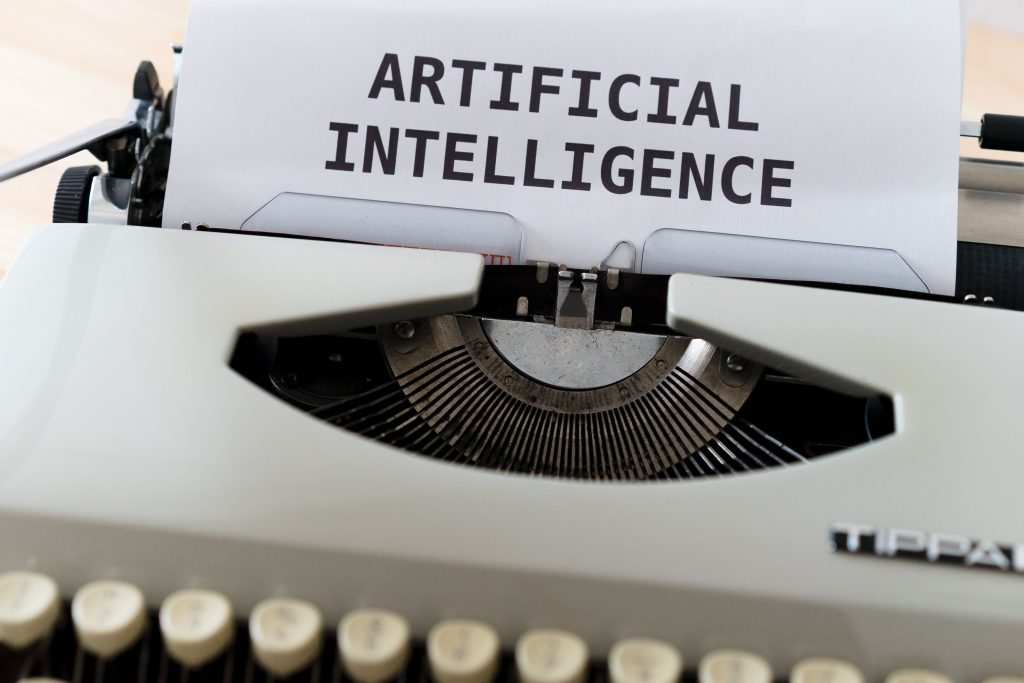

The AI Writing Revolution: Here and Transforming Content Creation Today
For over a decade, I have worked diligently as a content writer and growth marketer, witnessing numerous shifts in digital communication. Today, I confidently affirm that the AI writing revolution is not on the horizon—it is already upon us.
Initially, I was skeptical of AI-generated content, largely because early outputs often felt mechanical and lacked nuance. However, recent developments over the past few months have completely reshaped my perspective. My experiences with advanced tools like Claude 3.5 Sonnet and the process of integrating AI into my workflow have demonstrated its profound potential.
Key Experiences That Changed My View
-
Rapid SEO Success: I managed to rank on Google’s first page with AI-produced articles for a diverse range of clients—from global SaaS companies to local small businesses. What previously took 2-3 hours now takes approximately 30 minutes with AI assistance, significantly increasing efficiency.
-
High-Converting Landing Pages: Using AI to craft landing pages that achieve conversion rates between 20-40% has been a game-changer. What once required 3-5 hours of manual effort can now be achieved in just an hour, streamlining the content creation process.
-
Personalized Newsletters: I trained Claude to help write newsletters in my voice, creating content that felt more authentic and engaging than what I could produce alone. The process shrank from 45 minutes to approximately 10 minutes, freeing up valuable time and enhancing output quality.
Looking Ahead: The Future of AI in Content Creation
My prediction is clear: within the next 6-12 months, public perception will shift as complaints about AI-generated content being robotic or inhuman diminish. Those who fail to adapt to this technological evolution risk falling behind.
AI is poised to elevate all levels of writing—transforming mediocre and average content creators into world-class writers. The key differentiator will be an individual’s ability to see AI not as a threat but as a powerful tool that enhances creativity, efficiency, and quality.
Consider AI as a versatile chisel. Alone, it’s just a simple tool; in skilled hands, it can sculpt masterpieces—think of the statue of David, crafted from raw stone. Similarly, mastering AI writing tools can turn simple content into compelling, impactful narratives.
Final Thoughts
Embracing AI as an integral part of your content strategy is no longer optional—it’s essential. Those who understand how to leverage this technology will have a competitive edge in today’s digital landscape.
What are your thoughts on this AI-driven shift? How do you see it impacting your content creation process?
